
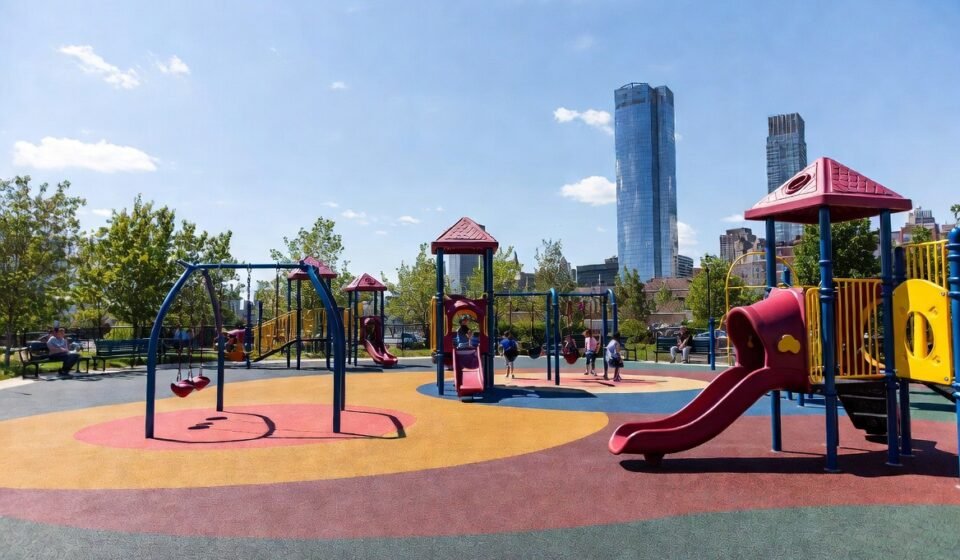

Playgrounds give children a happy place to run, climb, and laugh with their friends outdoors. In New York, careful rules help keep these spots safe so kids can enjoy play time without big worries. New York playground safety laws enforcement works to make sure the ground stays soft, the equipment stays strong, and grown-ups check everything often. This matters even more in 2026 because many families want open play areas close to home, and fresh updates to national safety guides help protect children better than before. When these rules are followed well, fewer falls and bumps turn into serious problems, and parents can feel more at ease while their little ones play.
This guide offers a broad and friendly overview of the main ideas behind new york playground safety laws enforcement. It explains what the rules cover, who watches over them, how the checks happen, and simple ways everyone can help keep play safe. You will find clear notes on the bigger topics along with gentle places to add your own thoughts or pictures later. The aim is to help you understand the basics in a warm and easy way so you can feel confident about supporting safe play for children.
What Counts as a Playground Under New York Rules
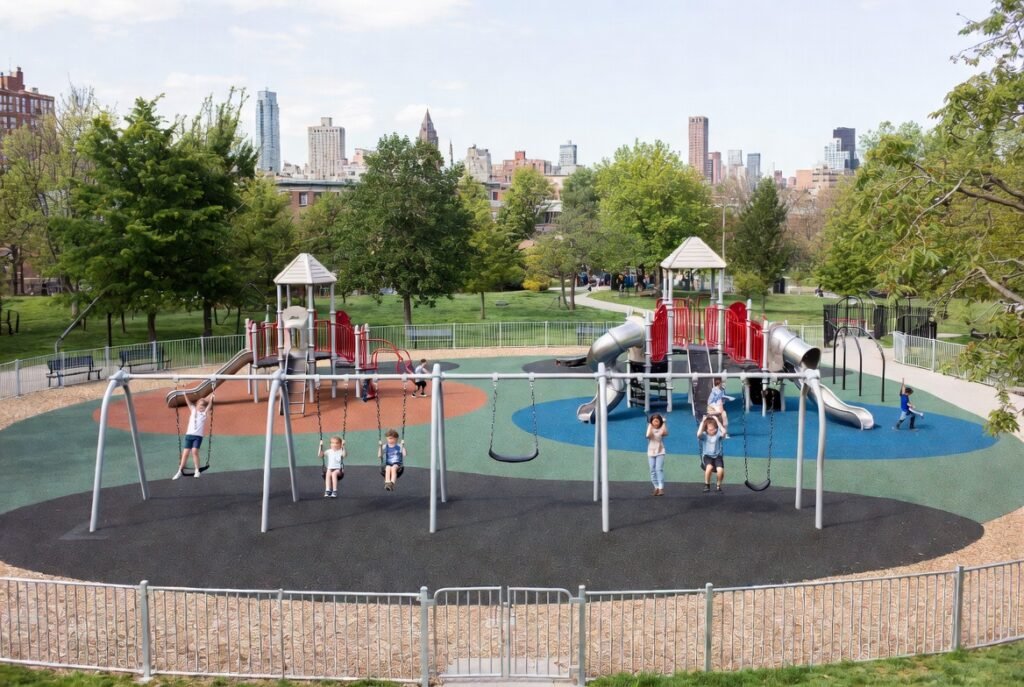
A playground in New York is a special outdoor space made for six or more children to play freely. It usually includes swings, slides, climbing pieces, soft ground cover, fences, and walking paths. This kind of space is different from a sports field used for games like soccer or basketball. The rules apply to public parks, school yards, and day care areas where many children gather. Homes with only one, two, or three families do not have to follow the same building rules, which keeps the focus on shared places that serve larger groups of kids.
These ideas come from state law that tells builders and owners to create play areas that match national safety guides. Soft ground under the equipment is one of the most important parts because it helps cushion falls. Equipment must stay free of sharp edges or spots where clothes can catch. Clear signs help grown-ups know the right ages for each piece of equipment. Special attention goes to areas made for younger children in day care settings because little ones need softer and simpler setups to stay safe while they explore.
The Main Law That Guides Playground Building and Care
New York has a clear law about building and setting up playgrounds that forms the heart of new york playground safety laws enforcement. This law says that anyone who builds or installs play equipment must follow rules created by the state. Those rules match the public playground safety handbook written by the national group that watches over product safety. The state department works closely with the parks office to write the details of these rules. Day care playgrounds receive extra notes because younger children need gentler designs that match their size and skill level.
If someone builds a playground that does not match the rules, the state attorney general can step in to protect children. They can ask a court to stop the work and require a money penalty. The fine begins at one thousand dollars for each problem found. If the builder knew the rules and still chose to break them on purpose, the fine can rise as high as ten thousand dollars. This part of the law helps stop unsafe spots from opening before kids start using them. Homes with only a few families stay free from these building rules so the law stays focused on places many children share every day.
How the Safety Guides Work Day to Day
The national handbook that New York follows receives updates from time to time to stay current with new ideas about safety. A fresh version appeared in 2025 with clearer notes on warning signs, checking metal parts for heat on sunny days, and ways grown-ups should watch children while they play. Soft ground cover must stay deep enough to soften a fall from the highest point of the equipment. Materials such as wood chips, rubber pieces, or special mats work well when workers keep them thick and even across the whole play area.
Equipment also needs enough open space around it so children do not bump into hard edges while they move. Swings need extra room both in front and behind so kids can swing freely without hitting others. Climbing pieces and slides need clear paths that stay free of obstacles. No ropes or strings should hang near the play things because they can catch on clothes and create danger. Regular looks for loose bolts, broken parts, or worn ground help keep everything ready for safe fun. Schools follow the same ideas carefully. When a school adds new equipment that costs more than a set amount, the plans must show they match the safety handbook and state building codes. Simple factory-made pieces often need less paper work, yet they still have to meet the same safety goals.
Who Checks Playgrounds and How Enforcement Happens
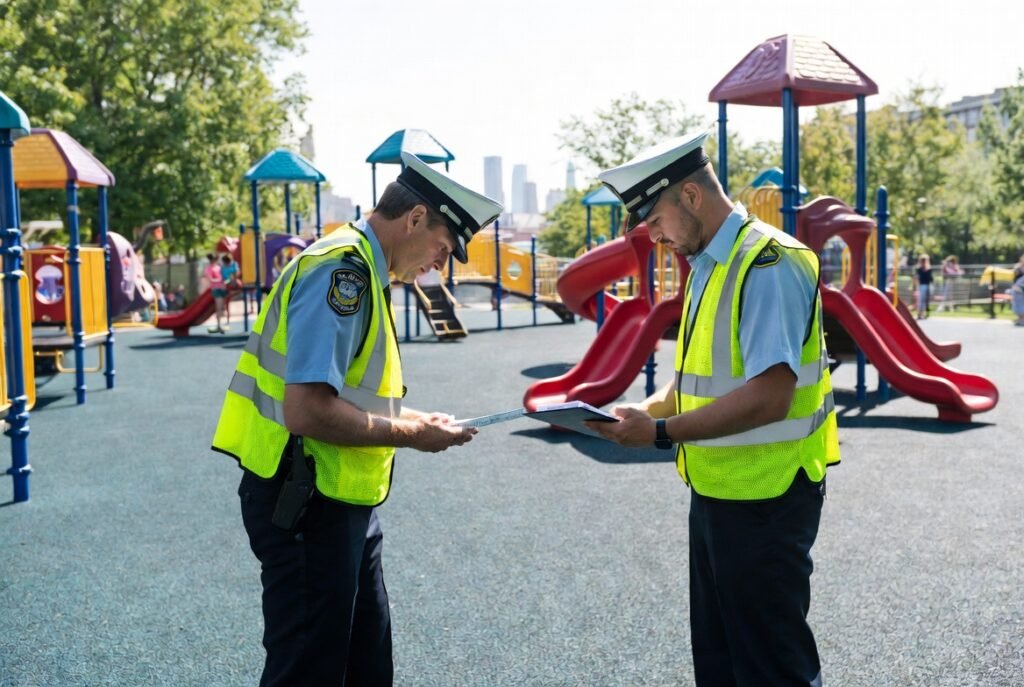
Many different people share the important job of new york playground safety laws enforcement so that no one group carries the full load alone. Park workers walk through public spots and write careful notes about what they see each time. They look for broken pieces, thin soft ground, or sharp spots that could hurt a child. Schools and day care centers do their own checks too so that every shared play space receives regular attention. If a problem shows up, the workers fix it quickly or close the area until it becomes safe again.
In cities, park teams keep clear records of monthly looks and repairs. Courts sometimes review these records when a child gets hurt to see whether the owner checked often and fixed things in a reasonable time. Private owners of bigger play areas must also keep things safe under general care rules that ask them to notice and correct dangers. The state attorney general handles larger building problems that affect many people. Local health or park offices take care of day-to-day issues that appear during normal use. Anyone who notices a worry can report it, and teams often come soon to look and make things right. This shared team work forms a key part of playground safety regulations new york and helps protect children across the state.
Soft Ground and Equipment Rules That Matter Most
Soft ground stands out as one of the biggest safety helpers because it reduces the force of a fall. Hard surfaces such as concrete or bare dirt do not cushion children well when they land. New York follows guides that call for thick layers of approved soft materials under and around every piece of equipment. The needed depth changes with the height of the play pieces so that higher climbers receive deeper cover for better protection. Workers must rake and refill the soft stuff regularly so it stays even and thick enough to do its job.
Equipment must fit the ages of the children who use it each day. Younger kids need lower and simpler pieces that match their size and strength. Older kids can use taller ones that challenge them in safe ways. Gaps between parts must stay the right size so heads or fingers cannot get stuck. Edges stay smooth to avoid cuts, and paint and wood stay free of harmful chemicals that could touch children’s skin or hands. Old wood treated with certain strong chemicals is not allowed on public play spots because it can slowly leak into the ground over time. Shade structures and water fountains help on hot days, while clear signs warn families about hot metal slides that could burn skin. These small careful steps add up to safer play for everyone who visits.
Inclusive Play and New Ideas for 2026
More playgrounds now welcome children of all abilities so that every child can join the fun. Ramps, wide paths, and special swings let kids who need extra help move freely and play alongside their friends. A bill in the state is looking at ways to make new and fixed playgrounds more open to children who use wheels or other supports. Grants also help towns build or repair play spots so more families can enjoy them close to home.
These changes fit smoothly with the bigger goal of new york playground safety laws enforcement. Safe play should reach every neighborhood and every child without leaving anyone out. Fresh money and plans in 2026 aim to open more school yards after hours and add soft, welcoming spaces that invite families to spend time outside together. Over time these efforts help create stronger communities where children grow healthy and happy through outdoor play.
Simple Steps Families and Workers Can Take
Parents can walk through a playground with open eyes and notice the details that keep children safe. They can look for soft ground that covers the base of every piece and check for loose parts or sharp edges that might need attention. If something looks wrong, telling a park worker right away helps the problem get fixed sooner. Teaching children to take turns and stay clear of moving swings also builds good habits that protect everyone nearby.
Workers can keep a regular list of checks so nothing important gets missed. Fixing small problems fast stops them from growing into bigger ones later. Keeping soft ground full and even makes a real difference on busy days. Training helpers to watch carefully and speak up about concerns builds a strong team. Schools can make sure plans match the safety handbook before new pieces go into the ground. These everyday actions support the formal rules and make play time better and safer for all the children who use the space.
FAQ About New York Playground Safety Laws Enforcement
What is the main rule for building a new playground in New York?
Anyone who builds a shared playground must follow the state rules that match the national safety handbook so children stay protected. Homes with one to three families do not need to follow the same building steps, which keeps the focus on public and group spaces.
Who makes sure the rules are followed?
Park teams, school workers, and the state attorney general all help in different ways. Local offices check day-to-day conditions while the attorney general handles larger building problems that need stronger action.
Does soft ground have to be a certain depth?
Yes, the soft cover must stay thick enough for the height of the equipment so falls hurt less. Higher pieces need deeper soft layers to give better cushioning when children land.
Are school playgrounds under the same rules?
Yes, schools must match the safety handbook carefully. Bigger projects often need plans approved by education offices to confirm everything meets the needed standards.
What happens if a playground breaks the rules?
The state can stop the work and ask for money penalties to encourage better choices. Local teams can close unsafe areas until the needed fixes are finished and the space is ready again.
Can anyone report an unsafe playground?
Yes, anyone who notices a problem can tell a park worker, school office, or local agency. The teams will look into the concern and take steps to make things safe when needed.
Do private backyards have to follow these laws?
Small family homes stay free from the main building rules, yet owners still want safe spots for their own children to play without worry.
Have the national guides changed recently?
A new handbook came out in 2025 with clearer notes on signs, heat checks, and watching children carefully. New York follows these updates so the rules stay current and helpful.
Keeping Play Safe and Fun Going Forward
New york playground safety laws enforcement exists so children can climb, slide, and run with less risk of harm. Soft ground, strong equipment, regular checks, and clear rules all work together like pieces of a friendly puzzle. When builders follow the guides, workers keep things fixed, and families stay alert, play stays joyful and free. In 2026 more open spaces and kinder designs help every child join in the fun no matter their abilities or neighborhood. Take a walk through your local playground soon and notice the soft cover under your feet, the smooth edges on the equipment, and the happy voices of children at play. Small careful steps today build safer play spaces that can last for many years ahead. You can help by watching with care, reporting concerns kindly, and supporting the people who look after these special places every day. Together we can keep the joy of outdoor play alive and well for the next generation of children.
Disclaimer: This article shares general information about playground safety ideas in New York for learning purposes only. It is not legal advice, professional guidance, or a full review of every local rule. Laws and guides can change over time. Always check official state, city, or school sources and talk with qualified experts for any specific questions or plans you may have.